Television has changed dramatically in recent years. Today, viewers can watch live channels through an internet connection instead of traditional satellite services.
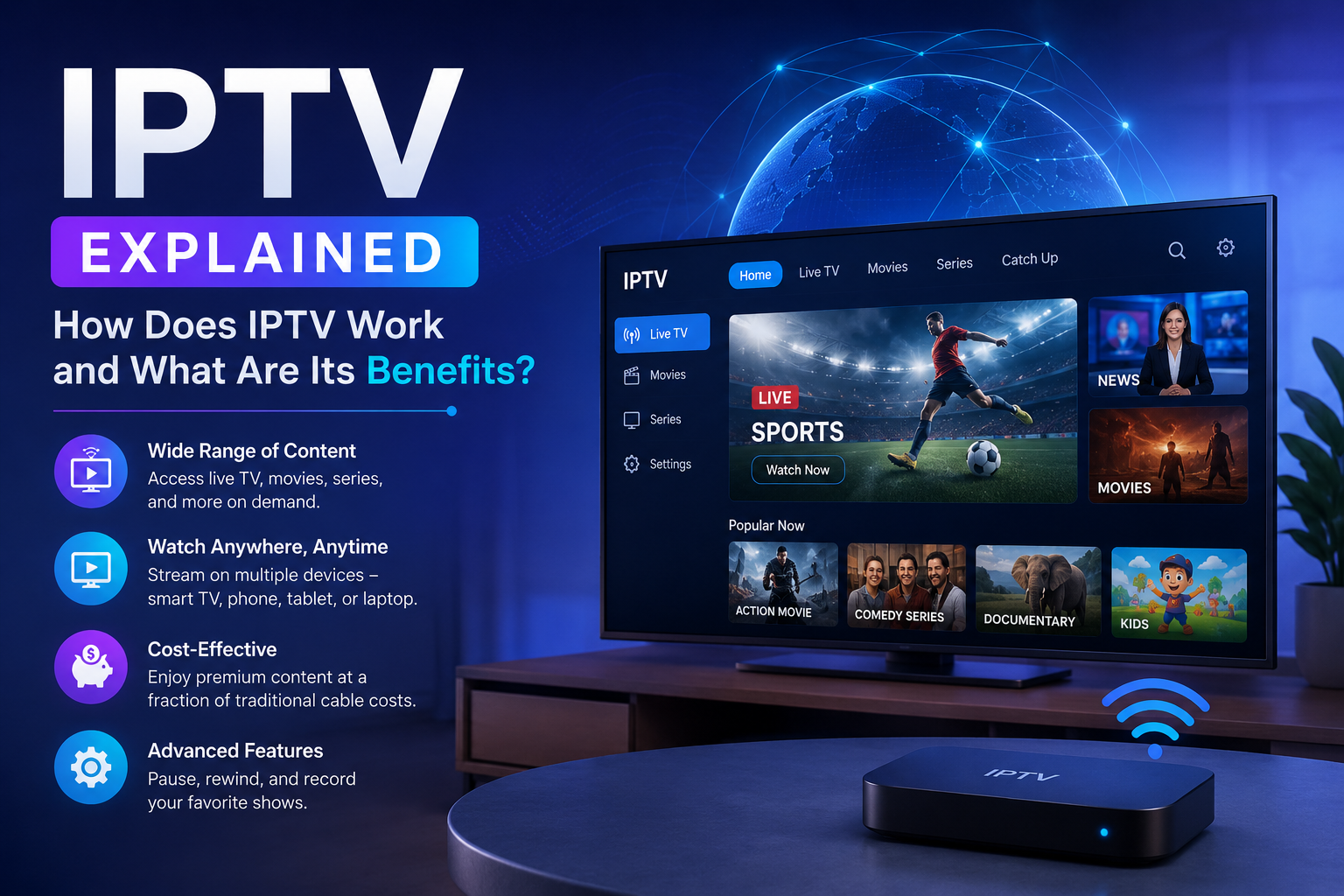
This technology is known as IPTV, or Internet Protocol Television. It delivers television content directly through your internet connection.
For viewers searching for IPTV South Africa, understanding how the technology works can make choosing a service much easier.
What Is IPTV?
IPTV stands for Internet Protocol Television. It delivers television content through an internet connection instead of satellite or traditional cable systems.
Unlike conventional broadcasting, IPTV sends video data directly to your connected device. Therefore, you can watch content using an internet-enabled television or streaming device.
The technology supports both live television and on-demand entertainment. Depending on the provider, viewers may access channels, movies, series, sports, news, and other programming.
Consequently, IPTV offers a flexible alternative to traditional television viewing.
How Does IPTV Work?
IPTV works by converting television content into digital data. That data then travels through internet networks to your chosen device.
First, a broadcaster or content provider prepares the video signal. The signal gets encoded into a format suitable for internet streaming.
Next, servers distribute the content through an internet connection. When you select a channel, your device requests that particular stream.
The server then sends the video to your device in small data segments. Your IPTV application receives these segments and plays them continuously.
As a result, you can watch television without downloading the entire video beforehand.
Your internet connection plays an important role throughout this process. A stable connection helps maintain smooth playback and reduces interruptions.
What Do You Need for IPTV?
Getting started with IPTV does not require complicated equipment. Most viewers can use devices they already own.
You generally need three essential things.
First, you need a reliable internet connection. Fibre, LTE, and 5G connections can support IPTV streaming.
Second, you need a compatible device. Many Smart TVs, Android devices, streaming sticks, computers, tablets, and smartphones support IPTV applications.
Finally, you need access to a legitimate IPTV service and a compatible IPTV player.
For South African viewers, choosing a service designed around local internet conditions can also improve the viewing experience.
IPTV South Africa: Why Is It Becoming Popular?
Internet television has become increasingly attractive to South African viewers. Several factors contribute to this growing interest.
Firstly, IPTV offers flexibility. Viewers can access their entertainment without relying on a satellite dish.
Secondly, IPTV can work across multiple devices. Therefore, households can enjoy television on their preferred screens.
Furthermore, IPTV can combine live channels with on-demand entertainment. This approach gives viewers greater control over what they watch.
Internet-based television also fits modern viewing habits. Many households already use streaming platforms for movies and series.
Therefore, IPTV feels familiar while adding live television functionality.
What Are the Main Benefits of IPTV?
1. Flexible Viewing
IPTV allows viewers to watch television through an internet connection. You are not necessarily limited to a traditional television setup.
Depending on your provider, you may switch between compatible devices. This flexibility makes IPTV suitable for modern households.
2. Multiple Device Support
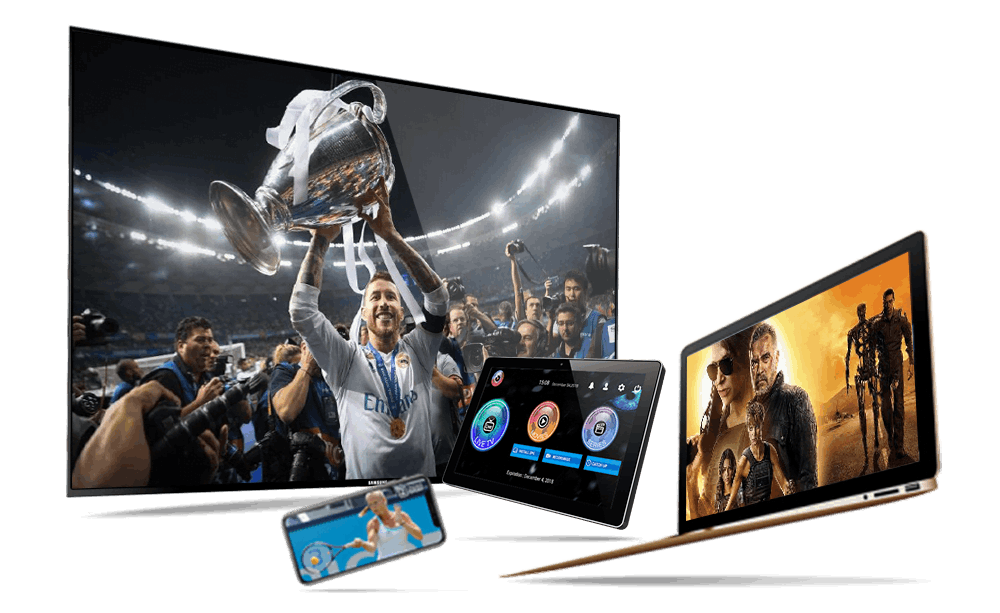
Many IPTV services support several types of devices. These can include Smart TVs, Android TV boxes, streaming sticks, smartphones, and computers.
Consequently, viewers can choose the device that suits their needs.
You can watch content on your main television at home. Alternatively, you can use another compatible device when travelling.
3. Live Television
One major advantage of IPTV is access to live programming. Viewers can watch news, entertainment, sports, and other channels through their internet connection.
This feature separates IPTV from many traditional on-demand streaming platforms.
4. On-Demand Entertainment
Many IPTV services also provide movies and series on demand. Therefore, viewers do not always need to follow fixed broadcast schedules.
You can select available content when you want to watch it. This creates a more convenient entertainment experience.
5. No Satellite Dish
IPTV does not require a satellite dish for internet-based delivery. Instead, the content travels through your internet connection.
This can simplify installation for households that prefer a streaming-based setup.
6. Convenient Access
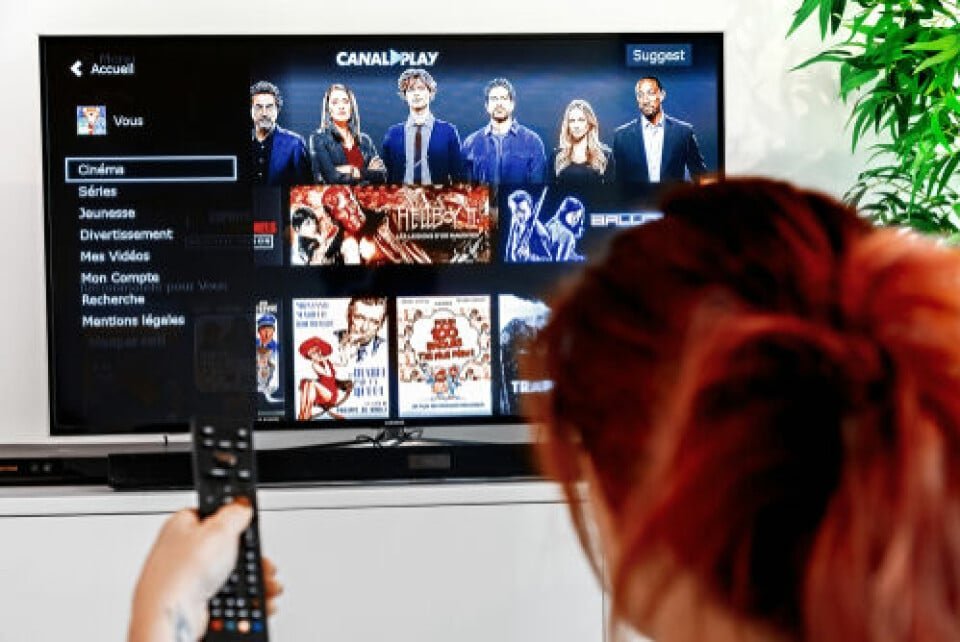
IPTV applications can bring live television and entertainment into one interface. As a result, switching between different types of content can become easier.
However, the exact features depend on the IPTV provider and application you choose.
IPTV vs Traditional Television
Traditional satellite television relies on signals transmitted from satellites. A dish receives those signals before sending them to a decoder.
IPTV uses a different delivery method. Instead, television content travels through internet networks.
Therefore, internet quality becomes an important part of the IPTV experience.
Satellite television can continue working independently of your home internet connection. IPTV, however, depends on the quality and stability of your internet service.
Both systems have advantages. The better option depends on your household, budget, internet connection, and viewing preferences.
How Fast Should Your Internet Connection Be?
Internet speed affects streaming quality. However, speed is not the only factor that matters.
Connection stability also plays an important role. A fast connection can still experience problems if it frequently drops or becomes unstable.
For HD streaming, a reliable broadband connection is generally recommended. Higher resolutions can require additional bandwidth.
Therefore, households using several devices simultaneously should consider their total internet usage.
A wired Ethernet connection can also provide greater stability when available. Alternatively, a strong Wi-Fi connection can work well for many home setups.
How to Choose an IPTV Service
Choosing the right provider requires more than looking at channel numbers. Reliability, compatibility, support, and transparency all matter.
First, check whether the service supports your preferred device. Then, review the available subscription options.
Next, consider the provider’s customer support. Responsive support can become especially useful during setup or technical problems.
You should also check whether the provider clearly explains its service and content rights. Always choose services that have the appropriate rights to distribute the content they offer.
For viewers researching IPTV South Africa, you can explore available options directly through IPTVPass South Africa.
Is IPTV Worth Considering?
IPTV can be a practical option for viewers who prefer internet-based television. It combines live programming with modern streaming flexibility.
Furthermore, it can work across a wide range of compatible devices. This makes it suitable for households with different viewing preferences.
However, your experience depends on several factors. Your internet connection, device, application, and IPTV provider can all affect performance.
Therefore, research your options carefully before choosing a subscription.
Final Thoughts
IPTV has changed how viewers access television content. Instead of relying exclusively on satellite or traditional broadcasting, viewers can receive television through internet networks.
The technology supports live television, on-demand entertainment, and multi-device viewing. Consequently, it offers flexibility that suits modern viewing habits.
For people researching IPTV South Africa, the most important step is choosing a reliable and legitimate service.
With the right internet connection and compatible device, IPTV can provide a convenient modern television experience.